What Are You Looking For?
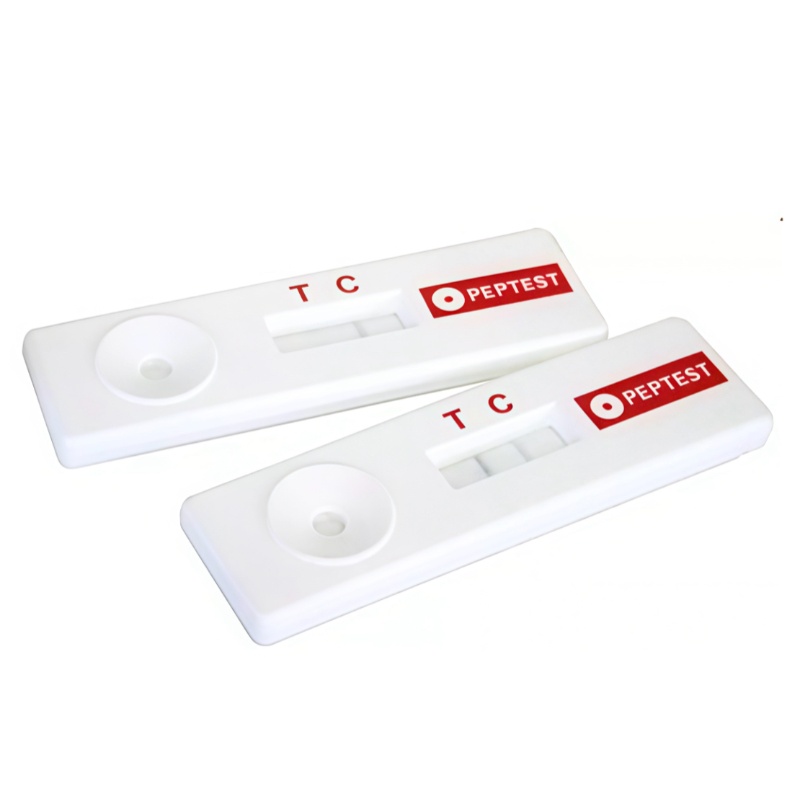
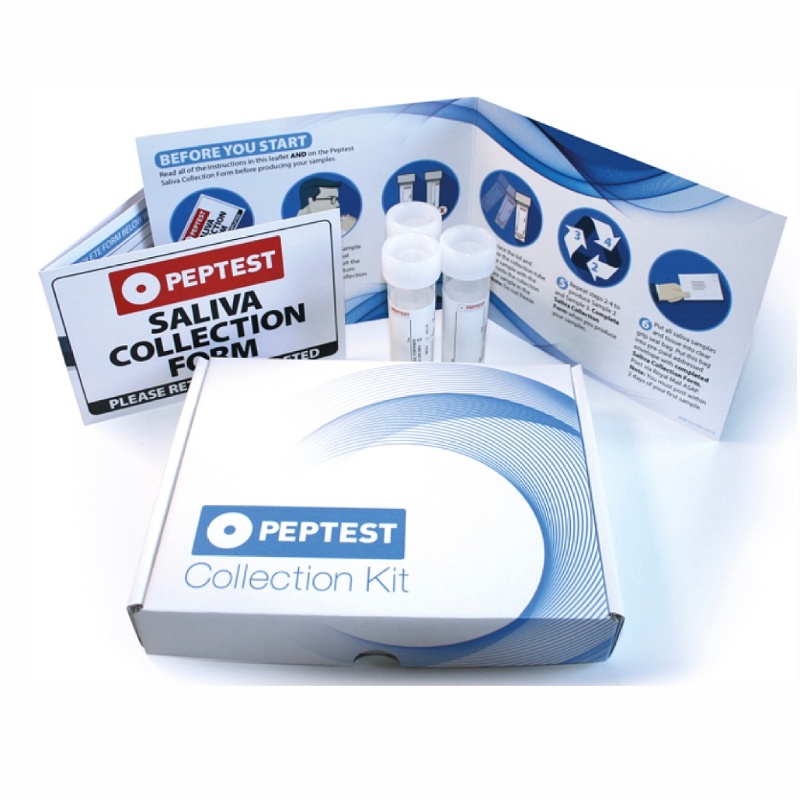
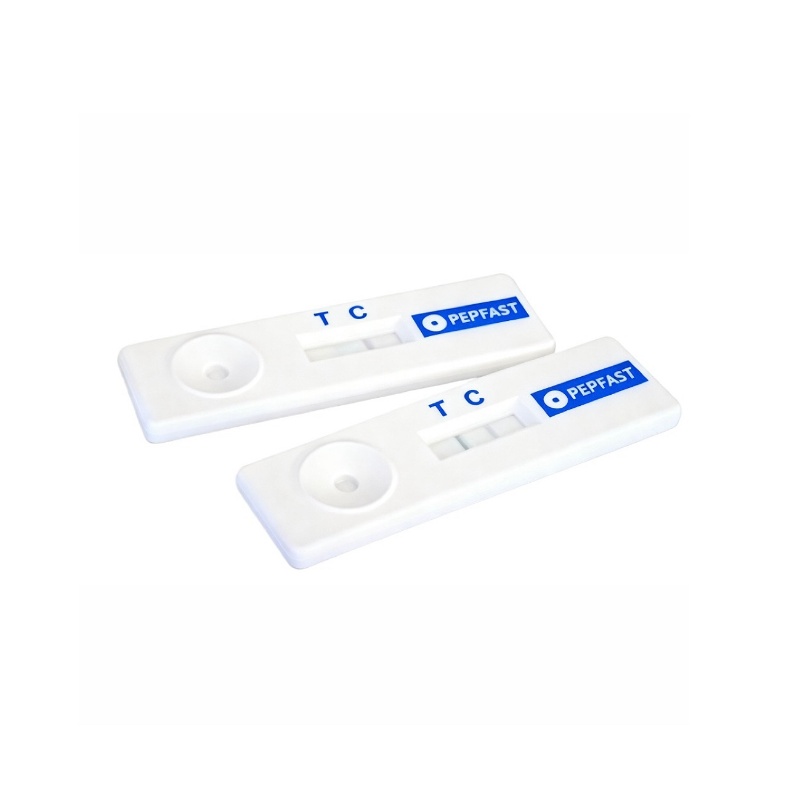
The Peptest Pepsin Detection Kit is a professional, in vitro diagnostic device for the qualitative detection of pepsin in human saliva. It provides healthcare professionals with objective, biomarker-based evidence to support the clinical assessment of gastroesophageal reflux disease (GERD).
Item No :
text1Order(MOQ) :
text2
Peptest: The Globally Trusted, Non-Invasive Solution for Objective Reflux Testing
Peptest is a UK-origin, clinically validated diagnostic test that has been trusted for over 20 years and is used in more than 50 countries worldwide. It offers a non-invasive, rapid, and objective method to detect pepsin in saliva—a reliable biomarker for gastroesophageal reflux disease (GERD) and laryngopharyngeal reflux (LPR). Ideal for patients unable to tolerate invasive exams or those requiring quick screening, Peptest helps prevent overtreatment and unnecessary endoscopic procedures.
Why Choose Peptest?
✅ Non-Invasive & Patient-Friendly
Only a simple saliva sample is required—no tubes, no endoscopy. This greatly improves patient comfort and compliance, making it suitable for children, the elderly, and sensitive patients.
✅ Fast & Objective
The test can be performed during a clinic visit, with results available in just 15 minutes. It provides clinicians with objective biomarker evidence to support diagnosis and guide treatment, reducing reliance on subjective symptom reporting.
✅ Clinically Endorsed
Peptest is recommended in the 2023 Chinese GERD Diagnosis and Treatment Guidelines and the 2022 Chinese Expert Consensus on LPR Diagnosis and Management as an objective, non-invasive tool for reflux disease assessment.
✅ High Concordance with Gold Standard
Peptest shows 96.70% concordance with 24-hour MII-pH monitoring in detecting pathological reflux, and offers superior sensitivity for non-erosive reflux disease (NERD), addressing the limitations of endoscopy.
Peptest vs. Traditional 24-hour pH-Impedance Monitoring
The table below clearly compares Peptest with the traditional invasive gold standard, highlighting key clinical advantages:
|
Peptest (Pepsin Detection) |
24-hour MII-pH monitoring (Gold Standard) |
|
| Method | Detects pepsin concentration in saliva. | Ph and impedance sensor on a catheter placed via nose into esophagus. |
| Invasiveness | Non-invasive – saliva sample only. | Invasive – requires nasal intubation; often poorly tolerated |
| Duration & Workflow | Sample collection and results in ~15 minutes. | 24-hour wearing period – requires return visit for data analysis. |
| Patient Comfort | Comfortable – no discomfort, no lifestyle interference. | Uncomfortable – throat irritation, affects eating, sleep, and daily activity. |
| Diagnostic Output | Objective proof of reflux (acid & non-acid). Indicates recent reflux events. | Detailed temporal data on reflux frequency, duration, and composition – current gold standard. |
| Best For | First-line screening, therapy monitoring, pediatric use, epidemiological studies, follow-up. | Refractory cases, pre-surgical evaluation, detailed reflux profiling for research. |
Unlike invasive pH monitoring, Peptest offers a 96.7% concordance rate with zero discomfort.
Clinical Value & Applications
With its non-invasive nature, speed, and objectivity, Peptest is reshaping the diagnostic pathway for reflux diseases—offering a patient-friendly and clinically effective choice for providers worldwide.
❓FAQ
Q1:How does Peptest work? What is the principle behind it?
A1:Peptest detects the presence of pepsin in your saliva sample. Pepsin is a digestive enzyme produced only in the stomach. Its presence in saliva is an objective biomarker that gastric contents have refluxed into the esophagus or throat. This offers a non‑invasive and sensitive diagnostic method.
Q2:Do I need to stop taking any medications or drinking alkaline water before taking Peptest?
A2:Yes. Alkaline water (pH ≥8.8) can denature pepsin in vitro, which may affect test accuracy. We recommend avoiding alkaline water for 48 hours before sample collection. For medications, especially PPIs or antacids, please consult your doctor before testing, as they may influence reflux frequency and pepsin detection.
Leave A Message